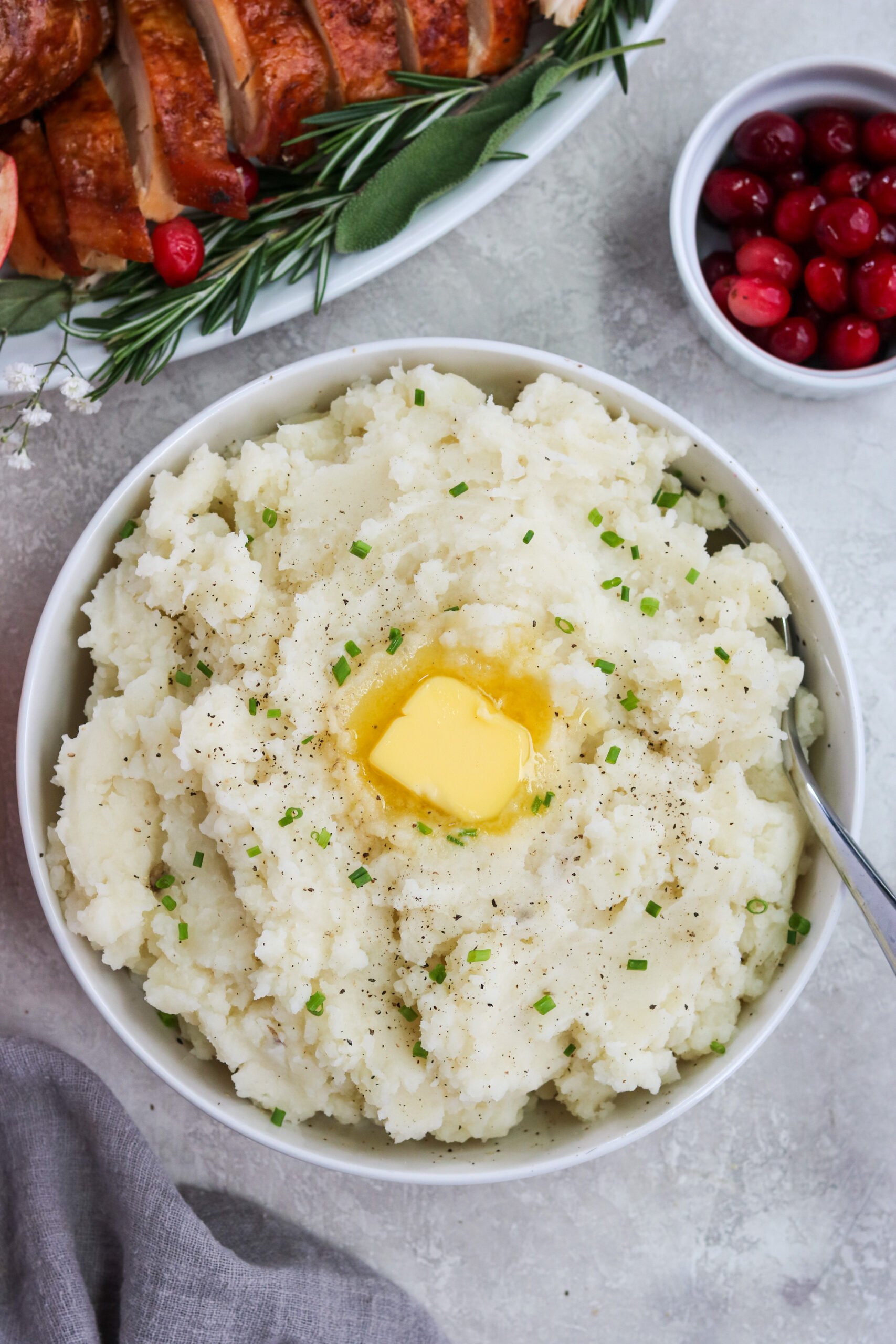
The holiday season is synonymous with warmth, togetherness, and, most importantly, incredible food. As families gather, the table becomes a canvas of culinary delights, and arguably, no dish is more anticipated than a mound of creamy, fluffy mashed potatoes. But what happens when dietary restrictions, such as dairy allergies, lactose intolerance, or a vegan lifestyle, enter the picture? For years, finding a truly satisfying dairy-free alternative seemed like a culinary quest. Thankfully, those days are behind us. Get ready to impress every guest at your festive table with these foolproof dairy-free mashed potatoes that are so rich, smooth, and flavorful, no one will ever guess they’re made without traditional milk or butter.
Creating show-stopping dairy free mashed potatoes that rival their dairy-laden counterparts isn't just possible; it's surprisingly simple with the right ingredients and techniques. We've perfected a recipe that brings that coveted creamy texture and savory depth to your plate, ensuring everyone can enjoy this beloved holiday staple. This isn't just a substitute; it's an elevated experience designed for pure culinary delight.
The Secret to Unforgettable Dairy-Free Mashed Potatoes: Ingredients Revealed
The foundation of any great dish lies in its ingredients, and for exceptional dairy free mashed potatoes, understanding your choices is key. Forget bland, watery imitations; we're aiming for luxurious creaminess and robust flavor.
Choosing Your Potatoes Wisely
- Russet Potatoes: Often dubbed "baking potatoes," russets are a fantastic choice for a fluffy, light mash. Their high starch content breaks down beautifully, making them easy to mash and absorb liquids without becoming gummy. If a light and airy texture is your goal, russets are your go-to.
- Yukon Gold Potatoes: For those who prefer a richer, naturally creamier mashed potato, Yukon Golds are an excellent alternative. Their slightly lower starch and higher moisture content result in a naturally buttery texture and a beautiful golden hue. They require less work to achieve that coveted creamy consistency.
Pro Tip: Regardless of your choice, ensure potatoes are cut into roughly equal-sized pieces for even cooking. This prevents some pieces from becoming mushy while others remain firm.
Dairy-Free Butter: The Flavor Foundation
Modern dairy-free butters have come a long way, offering excellent flavor and texture. Brands like Smart Balance or Earth Balance spreads are widely available and perform beautifully in mashed potatoes. While these spreads tend to have a higher water content than stick butter, this isn't a drawback for mashing; in fact, it can help achieve a smooth consistency. You can also opt for solid dairy-free butter sticks for an even richer, more traditional butter flavor.
The Creaminess Factor: Dairy-Free Milk and the Ultimate Secret Ingredient
This is where the magic truly happens, transforming good dairy free mashed potatoes into incredible ones.
- Dairy-Free Milk: Always opt for unsweetened and plain varieties. Vanilla-flavored mashed potatoes are generally not what we're aiming for! Oat milk and flax milk are excellent choices, especially when catering to guests with nut allergies, offering a neutral flavor and good creaminess. Almond milk or soy milk can also work, but pay attention to their flavor profiles. For an unparalleled richness, consider using full-fat canned coconut milk. It imparts a subtle sweetness and an incredibly decadent texture without a strong coconut flavor, making it a fantastic secret weapon for an extra creamy mash.
- The Secret Ingredient: Unsweetened, Plain Dairy-Free Yogurt: This is the game-changer for next-level dairy free mashed potatoes. A dollop of unsweetened, plain coconut yogurt (like So Delicious Dairy Free) introduces a delightful tang reminiscent of sour cream, alongside an incredible depth of creaminess that's hard to achieve otherwise. It elevates the flavor profile, adding a complexity that will leave your guests bewildered by its dairy-free nature. While you can make perfectly fine mashed potatoes without it by increasing the creamier dairy-free milk, the yogurt is what truly takes them from good to absolutely phenomenal.
For even more insights into achieving that perfect creamy texture, check out our guide on Unlock Creamy Dairy-Free Mashed Potatoes: Secret Ingredients Revealed.
Mastering the Art of Dairy-Free Mashed Potatoes: Step-by-Step Perfection
Beyond the ingredients, proper technique ensures your dairy free mashed potatoes are consistently perfect.
- Prepare Your Potatoes: Peel your chosen potatoes and cut them into 1- to 1.5-inch cubes. This ensures even cooking. Place them in a large pot and cover with cold, salted water by about an inch.
- Cook to Perfection: Bring the water to a boil, then reduce heat and simmer until the potatoes are fork-tender. This typically takes 15-20 minutes. Avoid overcooking, which can lead to watery, mushy potatoes.
- Drain Thoroughly: This step is crucial. Drain the cooked potatoes completely in a colander. For an even drier, fluffier result, return the drained potatoes to the hot, empty pot over low heat for a minute or two, allowing any residual moisture to steam off. This prevents a watery or gummy mash.
- Mash with Care: For the best texture, use a potato ricer or a sturdy potato masher. Avoid using a food processor, as it can over-process the starches, resulting in a gummy, unappetizing consistency. Mash the potatoes until mostly smooth, leaving a few small lumps if you prefer a rustic texture.
- Incorporate the Goodies: Add your dairy-free butter, a portion of your dairy-free milk, and the secret ingredient – the dairy-free yogurt. Begin mixing with your masher or a sturdy spoon. Gradually add more dairy-free milk until you reach your desired creamy consistency.
- Season and Taste: Season generously with salt and freshly ground black pepper. Taste and adjust as needed. This is your chance to really dial in the flavor!
Elevate Your Dairy-Free Mashed Potatoes: Tips for Customization and Flavor Boosts
While the basic recipe for dairy free mashed potatoes is spectacular, there's always room for personalization. Here are some ideas to make them uniquely yours:
- Garlic Lover's Dream: Roast a head of garlic until soft and golden, then mash the cloves directly into your potatoes for a rich, sweet garlic flavor. Alternatively, sauté minced garlic in dairy-free butter before adding it.
- Herbaceous Heights: Fresh herbs are a game-changer. Finely chop fresh chives, parsley, rosemary, or thyme and stir them in at the end for vibrant flavor and color.
- Caramelized Onion Bliss: Slowly caramelize sliced onions until deeply golden and sweet. Fold them into the mash for an incredible layer of savory sweetness.
- Smoky Undertones: A pinch of smoked paprika or a dash of liquid smoke can add a lovely depth, especially when paired with roasted vegetables or a lentil loaf.
- Cheesy Twist (Dairy-Free Style): Nutritional yeast adds a distinct savory, umami flavor often described as "cheesy." Stir in a tablespoon or two for an extra layer of complexity.
- Spice It Up: A tiny pinch of cayenne pepper or a dash of your favorite hot sauce can add a subtle warmth and kick without overwhelming the dish.
Holiday Hacks: Make-Ahead & Reheating Dairy-Free Mashed Potatoes with Ease
The holidays are busy enough without last-minute kitchen stress. Our dairy free mashed potatoes are incredibly forgiving, making them perfect for advance preparation.
- Make-Ahead Magic: You can prepare these mashed potatoes up to 2 days before your event. When doing so, it's wise to add a little extra dairy-free milk than you think you'll need, as they will thicken as they cool. Store them in an airtight container in the refrigerator.
- Reheating for Perfection: For best results, reheat your make-ahead mashed potatoes in a covered casserole dish in a preheated oven (around 325°F/160°C). The cover helps retain moisture and prevents them from drying out. You can also gently reheat them on the stovetop over low heat, stirring frequently and adding a splash more dairy-free milk or broth to restore creaminess.
- Double Batch & Freeze: Peeling potatoes can be tedious, so why do it twice? Make a double batch! Mashed potatoes freeze remarkably well. Freeze cooled portions in airtight containers or freezer bags. When reheating from frozen, they might appear separated or a bit 'weird' at first, but don't fret! As they slowly reheat, stirring occasionally, they will come back together beautifully, regaining their creamy texture.
- Leftovers: Any leftover mashed potatoes will be delicious for up to 4 days in the refrigerator. A quick zap in the microwave is perfectly fine for individual servings, with a tiny bit of dairy-free milk to loosen them up if needed.
Why Dairy-Free Mashed Potatoes Are Your New Holiday Tradition
Embracing dairy free mashed potatoes isn't about compromise; it's about enhancement and inclusivity. Imagine the joy of serving a dish that everyone at your table can savor, regardless of dietary restrictions. These mashed potatoes deliver on all fronts: they're incredibly creamy, wonderfully fluffy, and bursting with flavor. They eliminate the stress of catering to different needs, allowing you to focus on what truly matters during the holidays: cherished moments with loved ones.
From their rich texture to their versatile flavor profile and the sheer ease of preparation (even ahead of time!), these dairy-free mashed potatoes are poised to become a celebrated centerpiece on your holiday table for years to come. Prepare to receive compliments and astonished looks when you reveal that this beloved comfort food contains not a drop of dairy.
